.svg)
Breathing Test Information
This page gives an overview of common lung tests used to investigate symptoms like cough, wheeze, or shortness of breath. It is general information only, and you should always discuss your own results and medical concerns with your doctor or specialist.

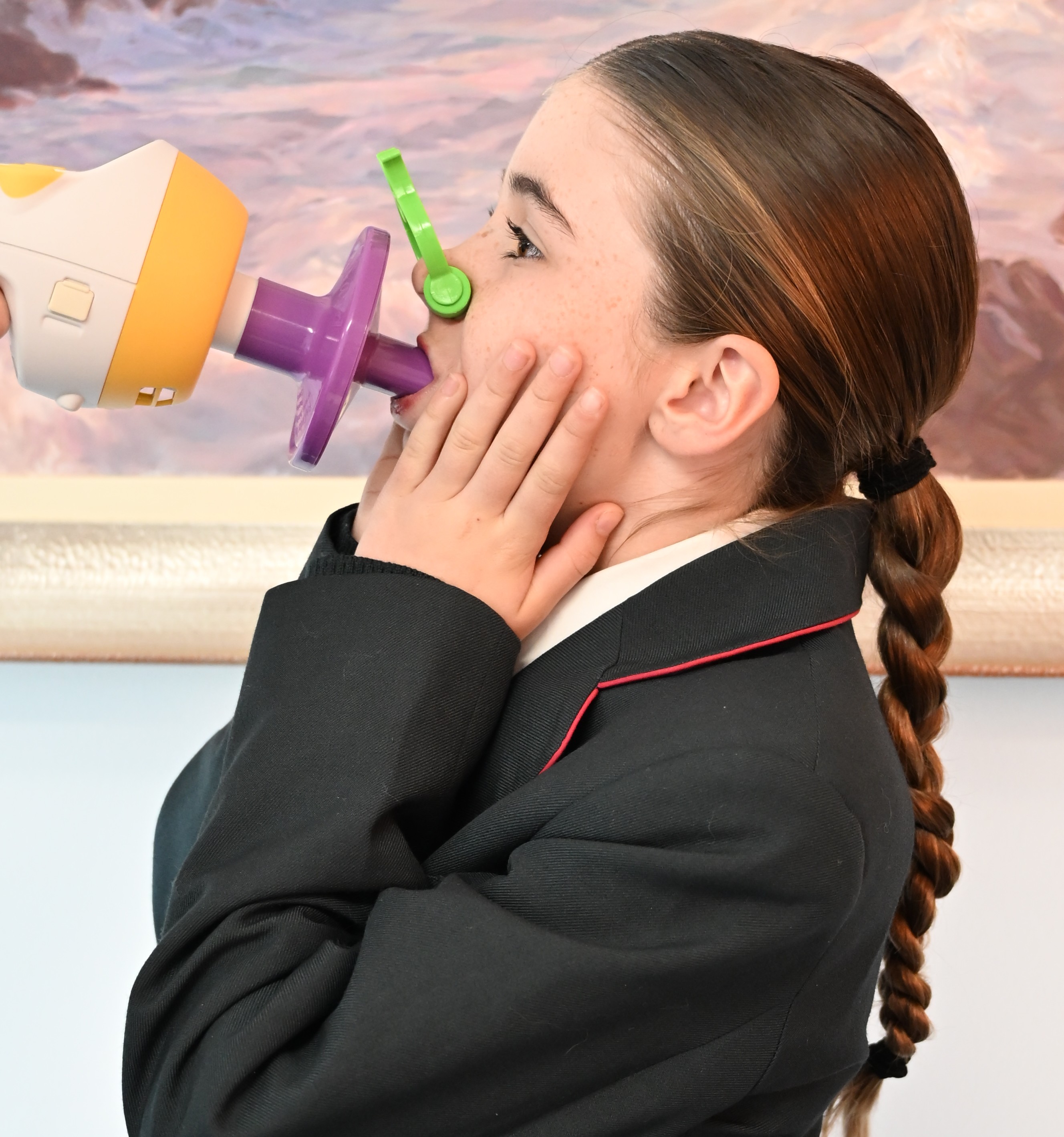
Why are respiratory tests requested?
Respiratory tests are done to help your doctor understand why you might be experiencing symptoms like coughing, wheezing, or shortness of breath. These tests show how well your lungs are working and help identify conditions such as asthma or other breathing problems. The results give your doctor clear information so they can choose the right treatment and help you breathe easier.
What are some common respiratory tests?
At CRS, we offer all of these respiratory tests—and many more—using high‑quality equipment and experienced clinicians to ensure accurate, reliable results. Our team provides comprehensive assessments tailored to your needs.
Spirometry
Measures how much air you can breathe in and out, and how quickly.
Why it’s done: Helps diagnose conditions like asthma and COPD, and checks how well your airways are working.
Fractional Exhaled Nitric Oxide (FeNO)
A quick breath test that checks airway inflammation.
Why it’s done: Commonly used to diagnose and monitor asthma and guide inhaler treatment.
Airway Challenge Testing (e.g., Mannitol Test)
Checks how your airways react to a controlled stimulant.
Why it’s done: Helps diagnose asthma when routine tests are unclear or symptoms vary.
Comprehensive Lung Function Test
Provides a full assessment of how your lungs move air and transfer oxygen using a combination of tests such as spirometry, lung volumes, and gas transfer.
Why it’s done: Helps diagnose a wide range of breathing conditions, understand the cause of symptoms, and guide treatment by giving a detailed picture of overall lung function.

Preparing for your appointment
You will be given specific instructions before your test, such as:

Avoiding smoking for a set period
Not using certain inhalers on the morning of the test (unless otherwise advised)
Wearing loose, comfortable clothing
Bring a list of your regular medications
Let staff know if you have recently had chest infections, surgery or any changes in your health
Comprehensive cardiovascular risk assessment and risk factor management
You can find the specific preparation instructions for each test by visiting our Respiratory Testing page.
Need more information?
If you have further questions about our respiratory testing, contact our friendly team.